A research and dinner series on how AI is changing what it means to be human.
Before each dinner we interview 40+ people about how AI is changing their everyday lives. Then six people from radically different worlds sit down at one table to argue about what it means. Every conversation is filmed and cut into shorts, reels and essays, so the thinking travels well beyond the table.
There is no shortage of AI conversation. Tales of unrivalled productivity. Promises of infinite possibility. Existential risk. Apocalypse.
What's missing is the quieter, more human story: the everyday decisions, made in the mess of ordinary life, that ladder up to civilisational change.
Every technology before this one arrived with a period of socialisation when a culture worked out what the tool was for and what it cost. This one didn't.
WHY NOW
A shift this consequential asks for a real account of what AI is doing to us, while the grooves are still soft enough to shape.
If AI is changing what it means to be human, what kind of humans are we becoming?

exists to explore this question.
Part research. Part socialisation. Building fluency while the future is still soft enough to shape.

WHAT IS IT?
An anthropological and philosophical body of work about how daily contact with AI is changing who we are. Each season takes one domain of life and explores the topic through three registers, from micro to macro:

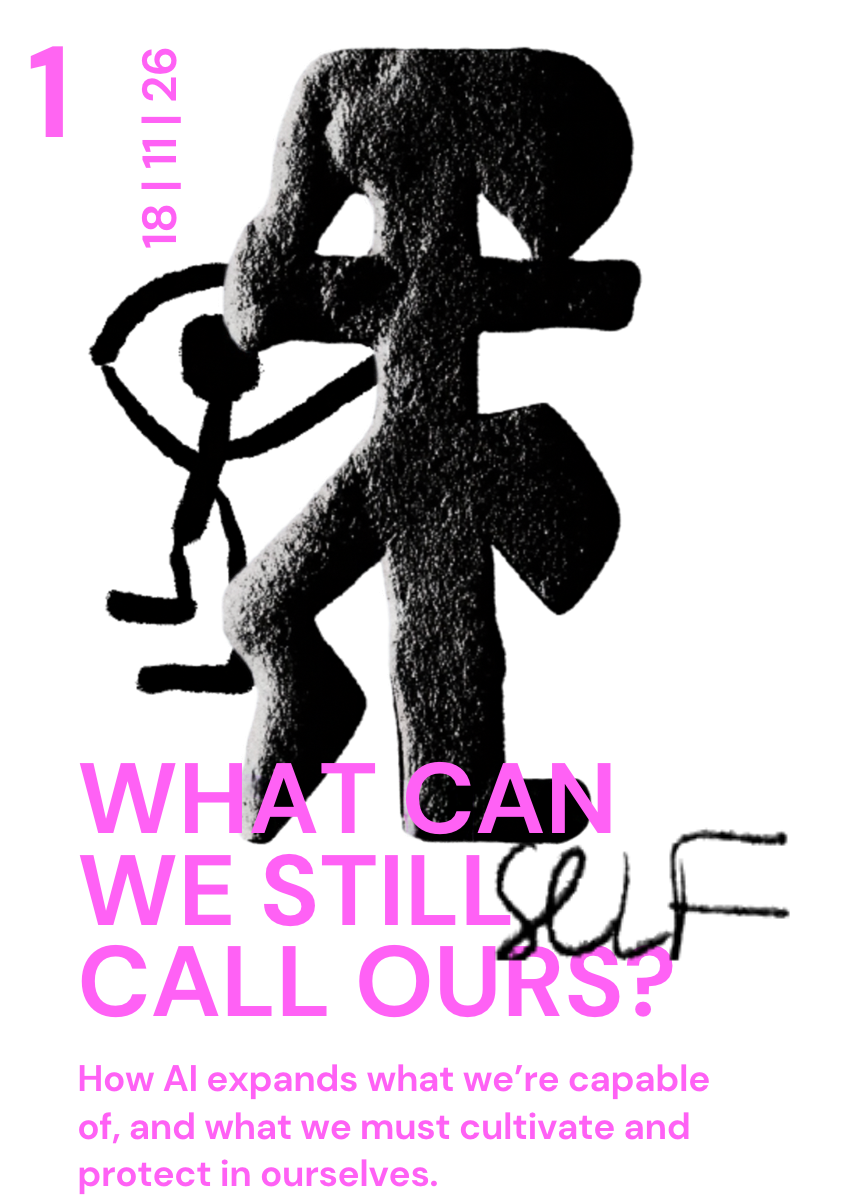
self
When does AI expand our natural capacities, and when are we most vulnerable to quiet atrophy?

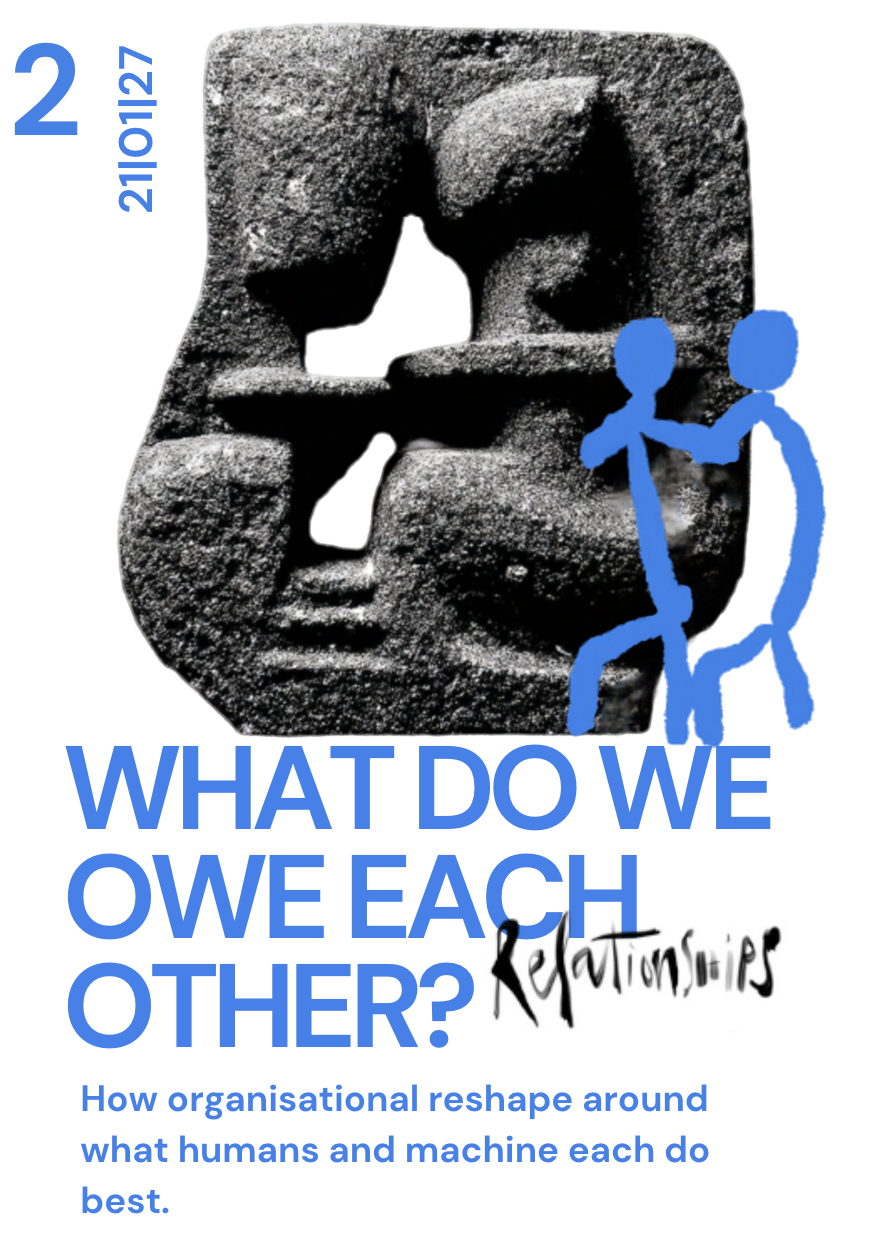
relationships
When does it help us connect, and when does it erode our ability to sit with difference?
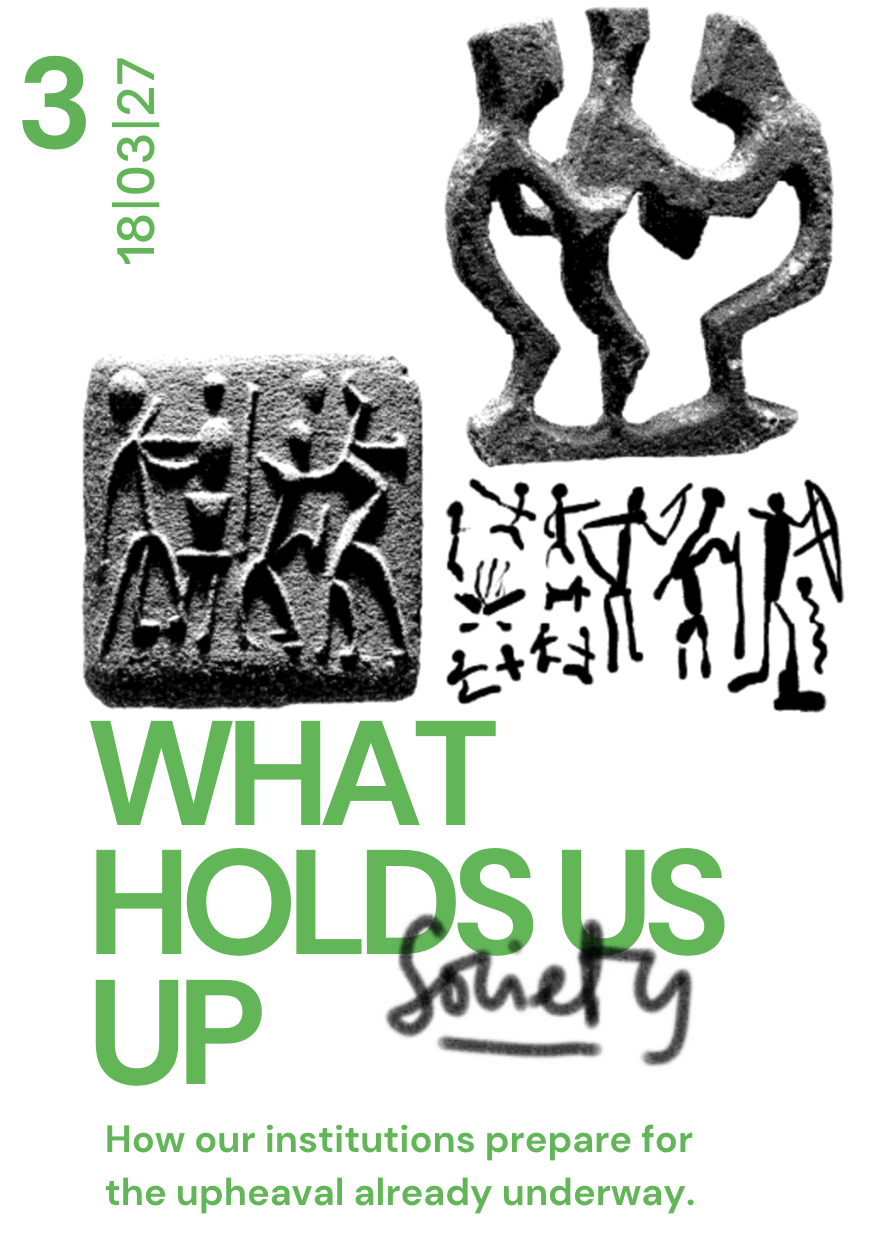
society
When does it make the contracts we live by fairer, and when does it encode values we’d never choose?
HOW IT WORKS
Part research. Part socialisation.
Long before screens and algorithms, our ancestors gathered around fires, carved tools, painted walls, and learned through observation, conversation and shared experience.
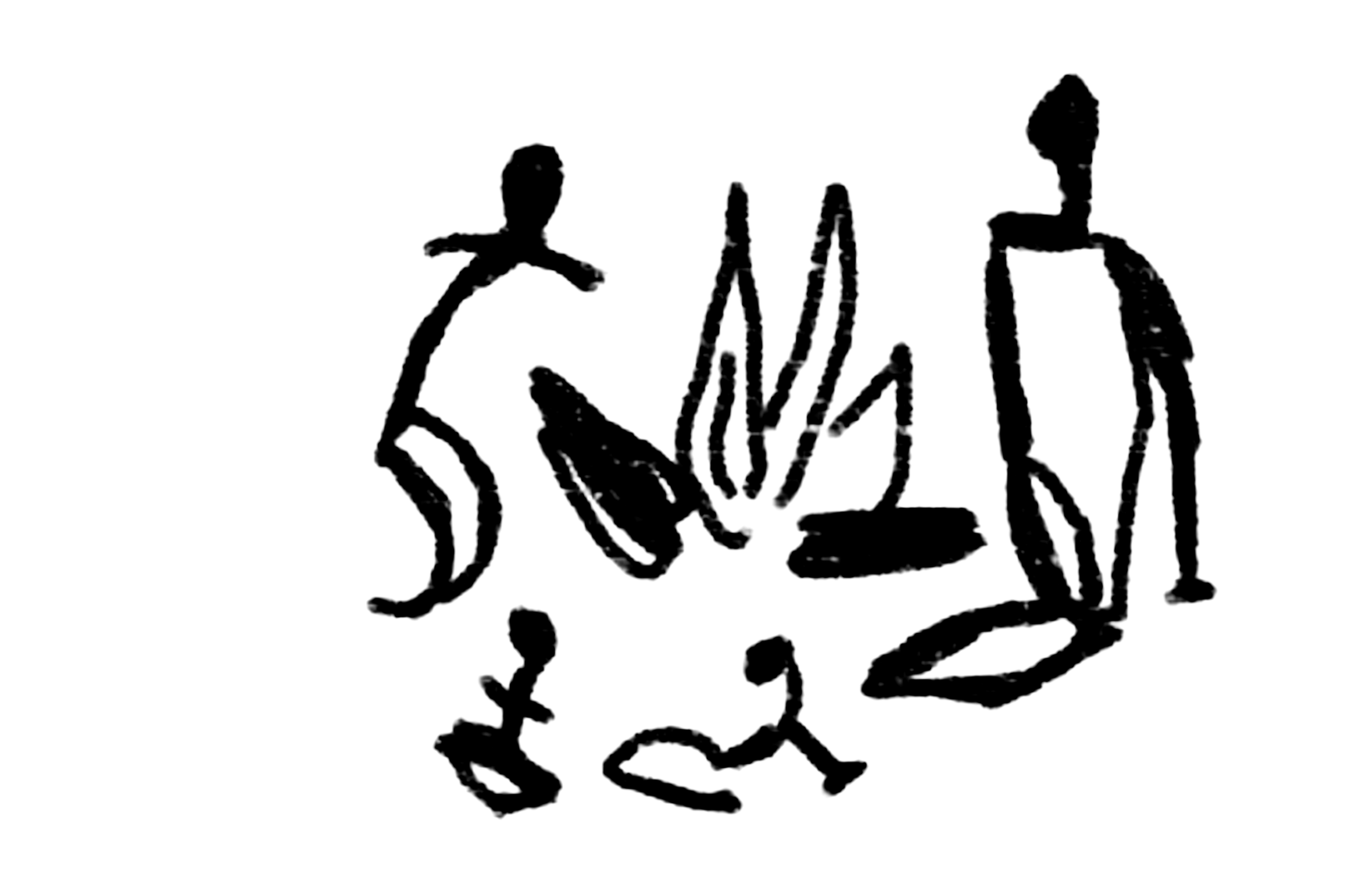
So that is where we start: not out of nostalgia, but to reconnect with the instincts that have always defined our potential.
kindling
Research with philosophical intent. The newest thinking, read the slow way, and 40+ people living the change, interviewed before every dinner.
Six people, chosen for how differently they see the world, receive a golden ticket to a filmed dinner. One question, the research as the menu, and collective intelligence on record.
fire
Every conversation is filmed and shaped to travel: reels to snack on as you scroll, essays to sit with for an hour, edited shorts to spark a debate, or strategic foresight to act on in a boardroom.
light
THE DINNER
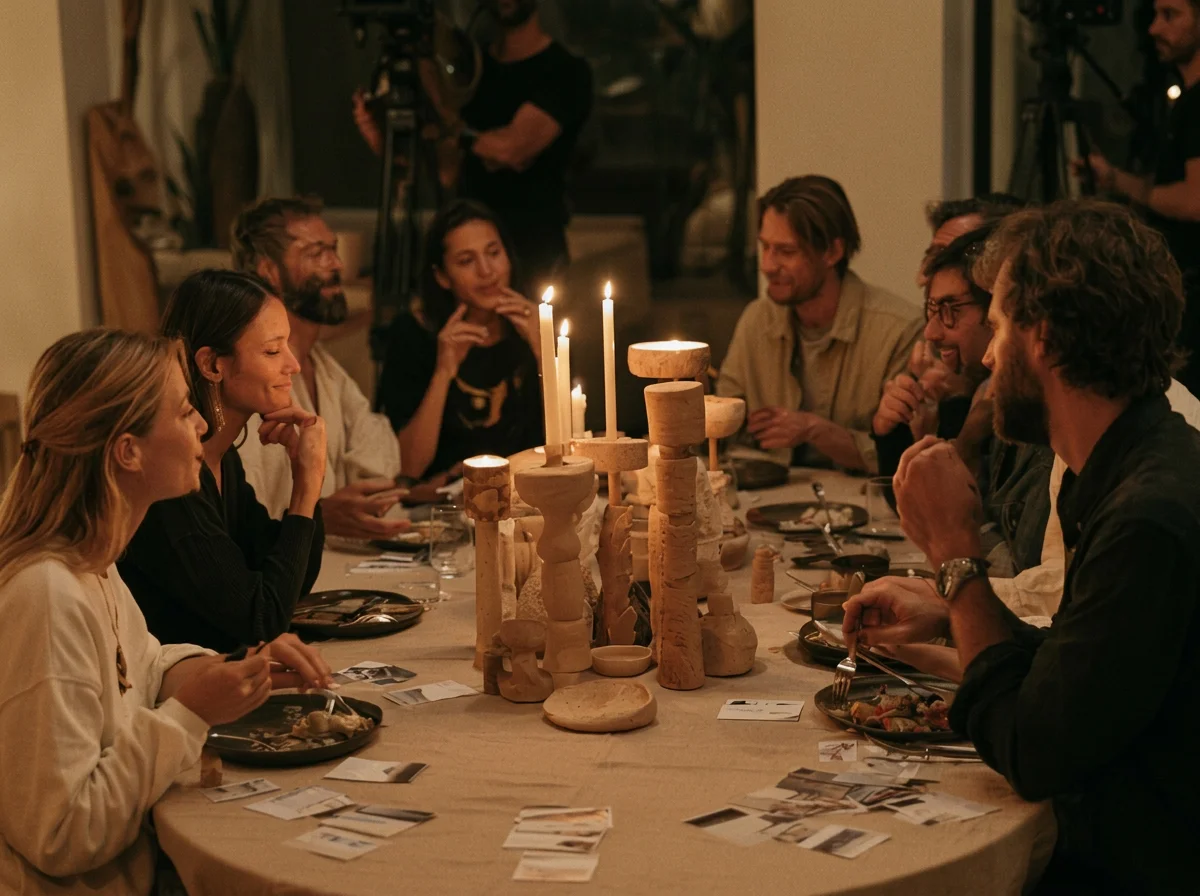
Each gathering is a modern campfire.
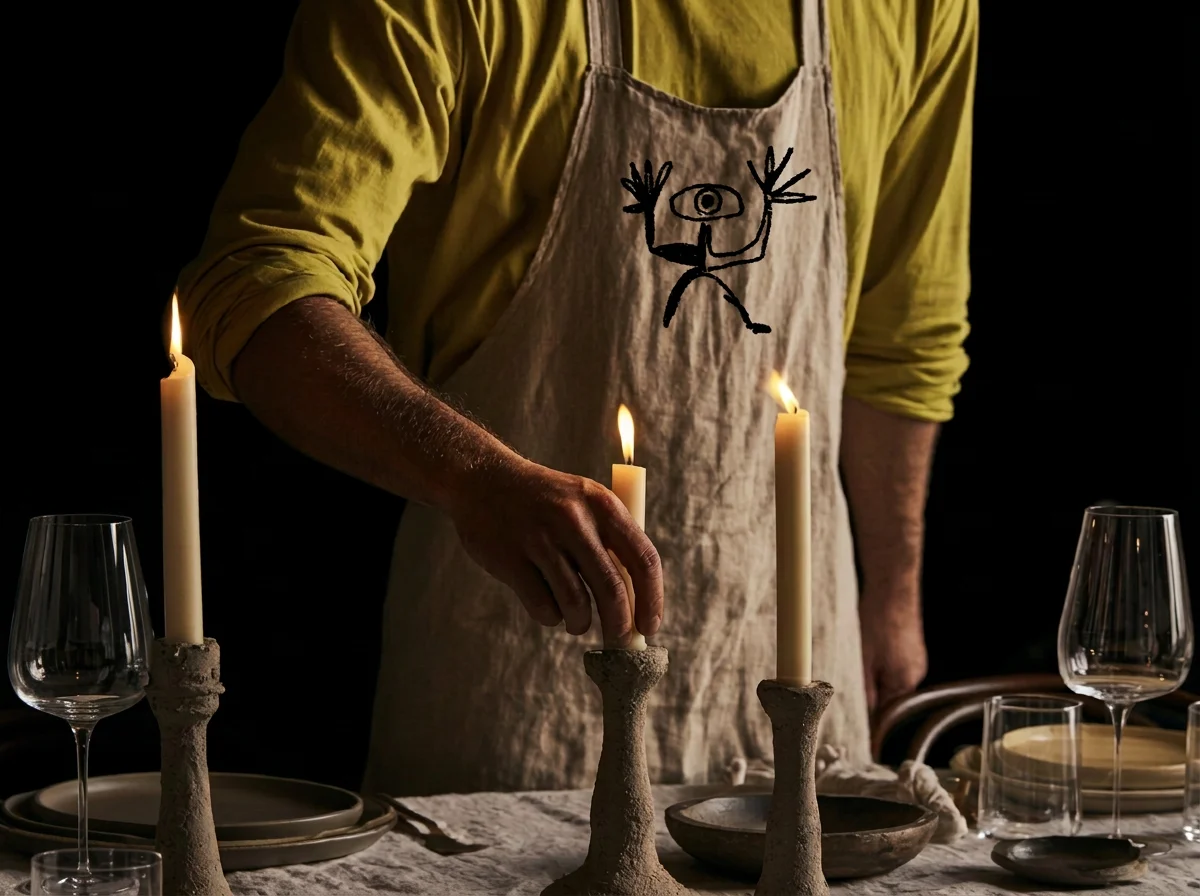
The hardest questions AI raises won't be answered by rooms that already agree. So we set a table for six people who don’t normally share one: from scientists, artists, philosophers, entrepreneurs, makers.
Nothing about the evening is designed to be efficient. That is the point. Candlelight, a round table, sharing plates, and wine to smooth the awkwardness of strangers.
One evening. Made to last. Built to travel.
The dinner is just the beginning. Every conversation is filmed, and everything the research and dinner produce becomes one body of work - offering a different door for each kind of attention.
as you scroll
Social: the sharpest moments, cut to travel across Instagram and LinkedIn.
for an hour
Essay: a philosophical synthesis of the research and the dinner, with the voices quoted in full.
over a coffee
Film: Edited shorts. One theme at a time, weaving voices from the research into the argument at the table.
for the boardroom
Report: strategic foresight at the end of each season, for the people deciding what happens next.
this season we focus on
WORK
Do I still have value in the age of AI?
Every worker is asking it. Every leader is facing the other half of that question: how to deliver on what AI promises, and what to do about the jobs it changes on the way.
The easy path is substitution: hand the thinking to the machine, let go of the skilled people who used to do the work, and call the saving a transformation. The cost arrives later, in skills that wither and organisations that all start to look the same.
The harder path is creative complementarity. Humans are explorers of uncertainty. AI is a master pattern recogniser across territory already mapped. Each does what the other can’t.
The harder path asks something of us all. Of each person, to keep growing. Of organisations, to rebuild around what humans and machines each do best. Of institutions, to build the infrastructure this age demands.
This season we explore what it will take to build genuine complementarity between humans and AI.
DINNER 1
How can AI expand what we’re capable of, and what must we cultivate and protect in ourselves?
Taste. Judgement. Discernment. The human touch.
As AI takes on more of our work, these are the words we reach for to name what is ours.
But what are they made of, and how many of them will truly survive contact with the machine?
18th November 2026 | A private dinner for eight, by invitation.