
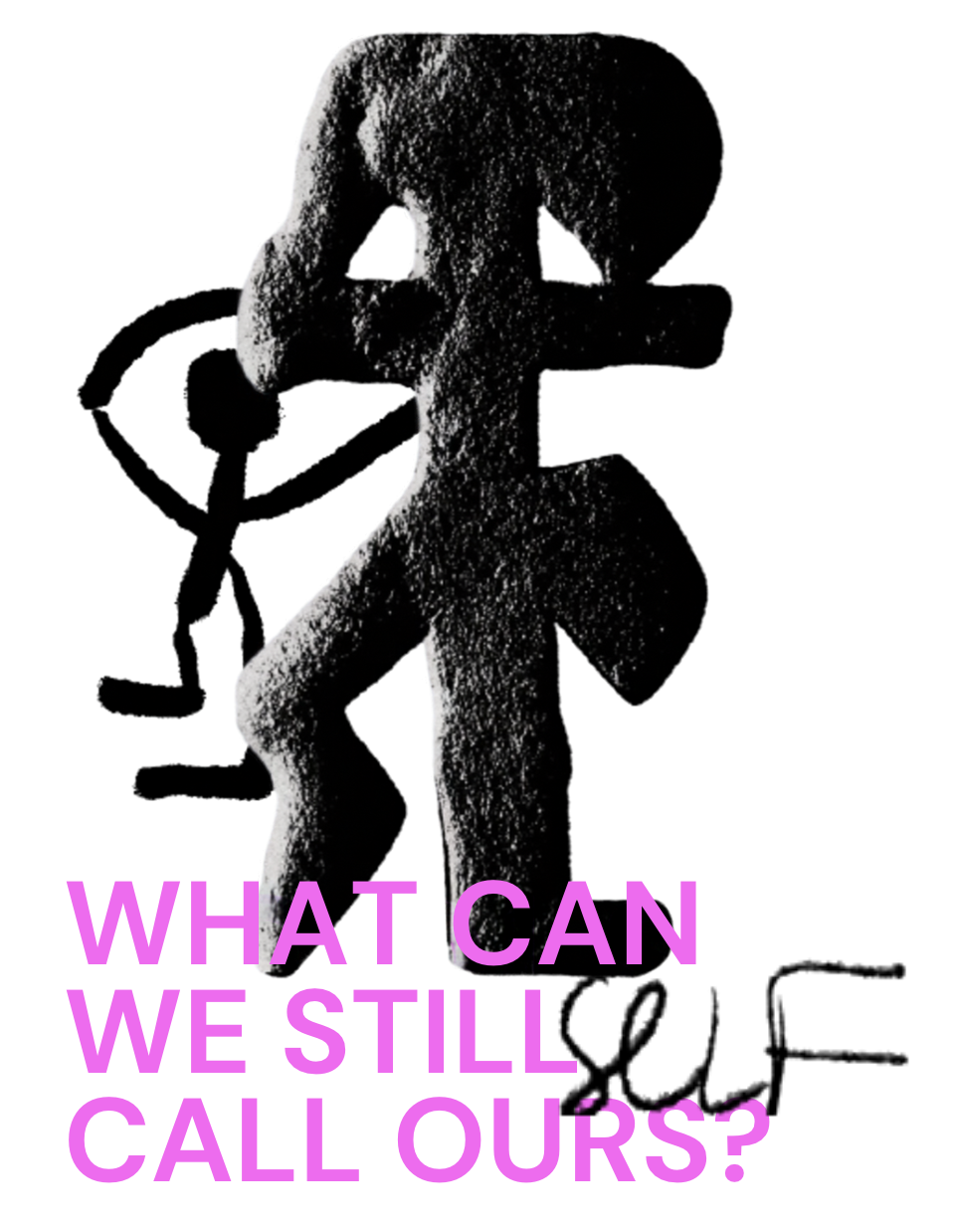
DINNER 1
How can AI expand what we’re capable of, and what must we cultivate and protect in ourselves?
Every technology stands between us and something. AI stands somewhere more uncanny: inside the conversation we have with ourselves. The question shifts from “is this right?” to “is this mine?”
As AI takes on more of our work, we reach for words to name what is ours. Taste. Judgement. Discernment. The human touch. They’re in every strategy deck and every conversation about the future of work.
But what are they made of, and how many of them will truly survive contact with the machine?
Dinner 1 is a quest to explore the boundaries of human and machine intelligence, in search of the words we can truly call ours, and the creative complementarity they make possible.
18th November 2026 | A private dinner for eight, by invitation. Shared afterwards as films and an essay.
FOUR QUESTIONS ON THE TABLE
what are they made of?
Taste and judgement may be the right words. But what are they tacitly made of? Which parts are highly skilled but routine, and what’s left when the machine can do those? How much of what we’re protecting is nostalgia?
how do we keep them?
Skills we stop using wither. With a collaborator that never tires or pushes back, it’s easy to surrender. What must we still master by hand to stay sharp? And how do we notice when we’ve stopped thinking for ourselves?
can they be grown?
Human minds specialise: some of us explore the unknown, others refine what’s known. AI is superb at refining. The explorers aren’t always the people organisations spent a century hiring. Can exploring be grown in anyone, or only found?
what should we build?
The second voice in our heads is being designed right now, mostly to keep us engaged. The best mentors do the opposite: they push back, and make us do the hard work. What would a tool built like that look like, and would anyone choose it?